
Nitrous Oxide Drug Driving Solicitors
If you’ve been arrested or charged with a drug driving offence involving nitrous oxide, often called laughing gas or NOS, your case is not as straightforward for the prosecution as you might think. Nitrous oxide sits outside the usual drug driving rules, which creates opportunities for us to defend you.
We can help you with:
- Understanding exactly what you’ve been charged with
- Reviewing any evidence the police have
- Identifying defences specific to nitrous oxide
- Protecting your licence and avoiding a conviction
Free initial advice, call 0151 422 8020 or request a callback. All initial advice is free of charge.
Drug Driving Cases Won
Our year-on-year results.
Charged with nitrous oxide drug driving?
Most drug driving cases are prosecuted under Section 5A of the Road Traffic Act 1988, where the police only need to prove that a specific drug, like cannabis or cocaine, was in your blood above a legal limit.
But there’s no specified limit for nitrous oxide and it’s treated differently to other drugs when it comes to driving offence cases.
Which means any allegation of driving after using nitrous oxide falls under Section 4 of the Road Traffic Act 1988, driving whilst unfit through drugs.
This works in your favour because the prosecution can’t rely just on a machine reading. They have to prove conclusively your ability to drive was impaired, and that it was caused by nitrous oxide.
Our job is to properly test any evidence police claim to have and advise on the best course of action.
Why nitrous oxide cases are hard to prove
The main issue for the prosecution when it comes to nitrous oxide cases is it leaves your bloodstream extremely quickly, often within minutes, unlike cocaine or cannabis that can stay around for hours.
So by the time you’ve got to a police station to give an evidentiary sample, there might not be anything to find.
This presents your biggest opportunity to challenge evidence, because prosecutors usually rely on a combination of:
- The way you were driving when the police stopped you
- Physical signs of intoxication or impairment
- Body worn or other camera footage
- Witness accounts
- Your own admissions
- Items found in your car or on you
We can effectively challenge all of this to create a strong defence.


What about the new roadside breathalyser?
Hampshire and Isle of Wight Constabulary and Thames Valley Police have been testing handheld breath tests that it’s claimed can detect nitrous oxide use up to two hours after you’ve inhaled.
But this is just a trial of a screening device. It’s not approved as evidence. A roadside reading isn’t proof you were unfit to drive. Even if a device shows recent use, it still has to be proven that you were impaired. We can robustly challenge the reliability of the technology being used.
The penalties you could face
Penalties for a conviction of driving while unfit through drugs, including nitrous oxide, can be severe.
|
Penalty |
Detail |
|
Driving ban |
Minimum 12 months’ disqualification on conviction |
|
Fine |
Unlimited |
|
Criminal record |
Yes |
|
Imprisonment |
Possible in more serious cases where driving was dangerous or caused harm |
If your case involves evidence of risk, injury or causing death, you could also face more serious charges like dangerous driving or causing death by dangerous driving. If this applies to your case it’s essential you get expert drug driving solicitors involved as soon as possible.
Caught in possession of nitrous oxide
Nitrous oxide has been a Class C drug under the Misuse of Drugs Act 1971 since November 2023. Being caught in unlawful possession for recreational use is a criminal offence in its own right. So it’s possible you could face a possession and driving charge. Our expert team of solicitors can defend you in both instances.
How we defend nitrous oxide drug driving cases
Being accused and charged doesn’t automatically mean you’ll be convicted. The prosecution still has to prove your case to the criminal standard. That’s not easy in nitrous oxide cases. Finding the right defence early increases the chances of a not guilty verdict, and could stop your case getting to trial at all.
-
No proof of impairment
Just the presence of nitrous oxide isn’t enough, and is usually hard to prove anyway. There has to be proof you were driving while impaired. If this evidence is thin or can be contradicted the case may fail.
-
Lack of evidence
Because nitrous oxide is gone from your system so quickly, there might be no evidence of it by the time you give an evidentiary sample. Which means prosecutors are relying on observations and statements that can be robustly challenged.
-
Procedural and evidential errors
All drug driving investigations follow strict procedures. Any errors in consent, explanation of your rights, handling of samples or continuity of evidence can mean evidence becomes inadmissible.
-
Reliability of roadside devices
If your case involves a trial of a roadside nitrous oxide device, its scientific reliability and use as evidence can be challenged.
-
Lawfulness of your stop and arrest
Police need reasonable cause to use a preliminary test or arrest you under Section 4. If there was no proper grounds to suspect drug use when you were stopped, the arrest could be challenged as unlawful.
-
Witness and footage problems
Nitrous oxide cases often rely on witness statements or footage. There’s always opportunity to challenge what was alleged against what can be proven. We thoroughly test all evidence to see whether it’ll hold up.
What happens after a nitrous oxide arrest?
If you were stopped and police had reasonable cause to suspect drug use, you’ll likely be asked to give a preliminary sample at the roadside. You could be arrested and taken to a police station to give a blood sample.
After that, you could be released under investigation while your case is considered, or charged.
The period before charges are brought is valuable for your defence. This is where we can make representations, identify weaknesses and liaise directly with the prosecution on your behalf.
If you’ve been released under investigation, don’t wait around for a charge, get in touch with our specialist drug driving solicitors.
Speak to a specialist drug driving solicitor today
If you’re facing a nitrous oxide drug driving allegation, early advice can make a big difference to the outcome of your case. Our specialist motoring defence solicitors offer free, confidential initial advice, whether you’ve just been arrested, released under investigation or charged.
Call 0151 422 8020 for some free initial advice, or complete the contact form and we’ll call you back.
There is no specified legal limit for nitrous oxide. But it’s an offence to drive while impaired by any drug under Section 4 of the Road Traffic Act 1988. In these cases the prosecution has to prove you were driving while impaired, which is hard to do in most cases.
Standard roadside breath tests don’t detect nitrous oxide. A specialist roadside device has been trialled by a couple of police forces but it’s a screening tool rather than evidence gathering.
It clears the body very quickly, usually within minutes and more often within around an hour. This is one of the main reasons these cases are hard for the prosecution to prove.
No. A roadside test of recent use isn’t the same as proof of impairment at criminal standard. Prosecutors will have to build and prove a case under Section 4.
Yes. This is a developing and technical area of law and evidence. Early specialist advice helps ensure the procedure is properly challenged and evidence is scrutinised to the right standards. We can advise you of your options before you make a decision about how to plead.
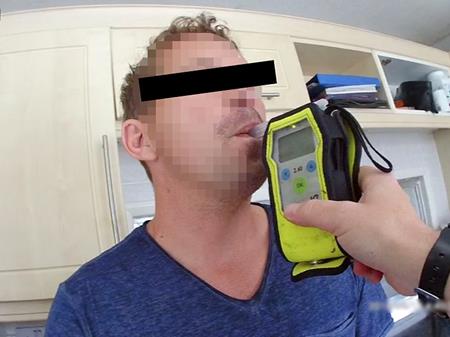
How my client was found Not Guilty of Drink Driving
Case Study: How my client was found not guilty of drink driving. Don't make the mistake of pleading guilty. Learn how to defend a drink driving charge.
Beat a drink driving charge
WAITING FOR YOUR BLOOD RESULTS?
M.A.J Law have developed a number of defence strategies to persuade the police to drop your case before your blood results come back. Get in touch to for free initial advice.
No Further Action
The UK's Leading Motoring Defence Firm
We are ranked in the top 10% according to ReviewSolicitors - an independent review platform. Click here if you want to read what other clients have to say.