
Drink Driving Case Dismissed Following Late Forensic Evidence

Offence: Drink Driving
Specimen: Urine
Alcohol concentration: 144
Key issue: Forensic evidence and Part 19 Criminal Procedure Rules
Outcome: Case dismissed
The Background
MAJ Law successfully represented a motorist facing a drink driving prosecution following a road traffic collision in which their vehicle crashed into a building. Because of the circumstances following the collision, the client did not provide an evidential breath specimen at the police station. Instead, the police obtained a urine specimen for laboratory analysis.
The subsequent analysis produced an alcohol concentration of 144. A prosecution for drink driving followed, placing the client at risk of a criminal conviction and a mandatory driving disqualification if convicted.
However, rather than treating the laboratory result as conclusive, our solicitors examined the evidence supporting the prosecution case in detail.
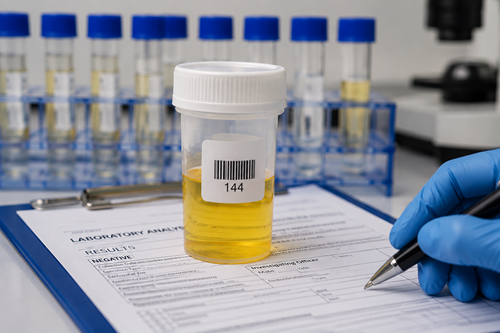
Questioning the Urine Alcohol Result
Cases involving blood or urine specimens differ from cases where an evidential breath-testing machine produces an immediate result at the police station. The prosecution must rely upon laboratory analysis of the specimen and the appropriate evidence to establish the result upon which the charge is based.
Our legal team raised queries concerning the reported urine alcohol concentration and requested the forensic evidence underpinning the result. This was an important part of preparing the defence. A laboratory figure appearing within the prosecution papers does not mean that the surrounding forensic evidence and the way in which it is presented should simply be accepted without scrutiny.
Problems With the Forensic Evidence
Following our request, the relevant forensic material was eventually provided by the prosecution. However, the evidence was served late.
The timing and form of the forensic evidence became particularly significant because the prosecution sought to rely upon that material as part of its case against our client.
Our solicitors considered whether the evidence complied with the procedural requirements governing expert evidence in criminal proceedings. This led to a challenge under Part 19 of the Criminal Procedure Rules.
What Is Part 19?
Part 19 of the Criminal Procedure Rules deals with expert evidence in criminal cases. It sets out requirements relating to expert evidence and the information that must be provided when a party intends to introduce expert opinion into criminal proceedings.
These rules exist for an important reason. A defendant must have a proper opportunity to understand and, where appropriate, challenge scientific or expert evidence being relied upon against them.
Where forensic evidence forms an important part of the prosecution case, compliance with the relevant evidential and procedural requirements can therefore be crucial.
MAJ Law's Part 19 Argument
After reviewing the material that had eventually been served, our legal team identified that the prosecution's forensic evidence did not fit with the Part 19 requirements in the manner in which the prosecution sought to rely upon it. MAJ Law advanced the Part 19 argument on behalf of the client.
This went beyond simply arguing that the prosecution had been late with its paperwork. The issue concerned whether the forensic material could properly be relied upon to establish an essential part of the prosecution case.
Without the necessary admissible evidence, the prosecution faced a fundamental evidential difficulty.
The Outcome: Drink Driving Case Dismissed
The challenge was successful.
Ultimately, the prosecution was unable to proceed with the case on the evidential basis advanced and the drink driving case against our client was dismissed. As a result, the client avoided a drink driving conviction and the driving disqualification that would have followed upon conviction.
For someone facing the prospect of losing their licence, acquiring a criminal record and dealing with the wider personal and professional consequences of a drink driving conviction, the outcome was significant.
Why This Case Is Important
A reported alcohol concentration can make a drink driving prosecution appear straightforward. However, the numerical result is not the only aspect of the case that matters. Where blood or urine analysis is relied upon, specialist solicitors can examine the evidence surrounding the specimen and subsequent forensic analysis, including whether the necessary evidence has been properly obtained, disclosed and presented.
In this case, MAJ Law:
- scrutinised the reported urine alcohol result rather than simply accepting it;
- requested the supporting forensic material;
- identified the significance of the late-served evidence;
- considered whether the evidence complied with the relevant procedural requirements;
- raised a Part 19 challenge; and
- secured the dismissal of the drink driving case.
The result demonstrates why detailed examination of the prosecution evidence can be so important in drink driving proceedings.
Charged With Drink Driving After Providing Blood or Urine?
If you have been charged with drink driving after providing a blood or urine specimen, the laboratory result is only one part of the prosecution evidence.
MAJ Law specialises in defending motorists accused of drink driving and regularly examines the technical, forensic and procedural evidence relied upon in these cases.
Our solicitors can review the evidence against you, identify potential issues with the prosecution case and advise you on the defence options available.
Contact MAJ Law today for specialist advice about your drink driving case.