

For decades, drink driving has been viewed as one of the biggest threats to road safety in the UK. However, new figures suggest the landscape is changing. For the first time since records began, more motorists have been convicted of drug driving than drink driving, highlighting a significant shift in offending patterns and raising fresh concerns about enforcement, education and road safety.
The latest data, released by the Driver and Vehicle Licensing Agency (DVLA), has prompted calls for tougher action on drug driving, with road safety organisations warning that the problem is continuing to grow. As police increase roadside drug testing and the Government considers introducing further powers to tackle offenders, drivers are being reminded that drug driving carries severe penalties and can have life-changing consequences.
At M.A.J Law, we have seen a noticeable increase in clients seeking legal advice following allegations of drug driving. While the number of prosecutions is rising, every case is different, and it remains essential that each investigation is examined carefully to ensure the correct legal procedures have been followed.
Drug Driving Convictions Have Reached a Record High
According to the latest DVLA figures, 30,707 motorists received a DG10 endorsement for drug driving during 2025, compared with 29,981 drivers who received a DR10 endorsement for drink driving.
Just three years earlier, the position was very different. Drug driving convictions have increased by around 28% since 2022, while drink driving convictions have fallen by approximately 17% over the same period. The result is the first time that drug driving has overtaken drink driving as the more common endorsement appearing on UK driving licences.
While drink driving remains a serious issue, these figures suggest that drug driving has become an increasingly significant challenge for both police forces and the courts.
Why Are Drug Driving Convictions Increasing?
There is no single explanation for the rise in convictions, but several factors are likely to be contributing.
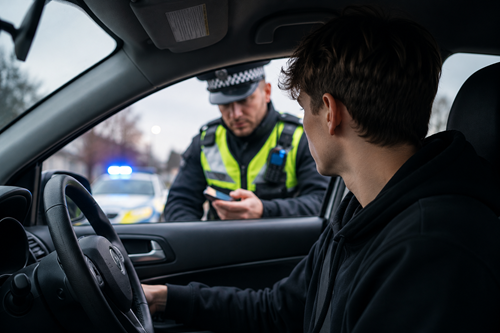
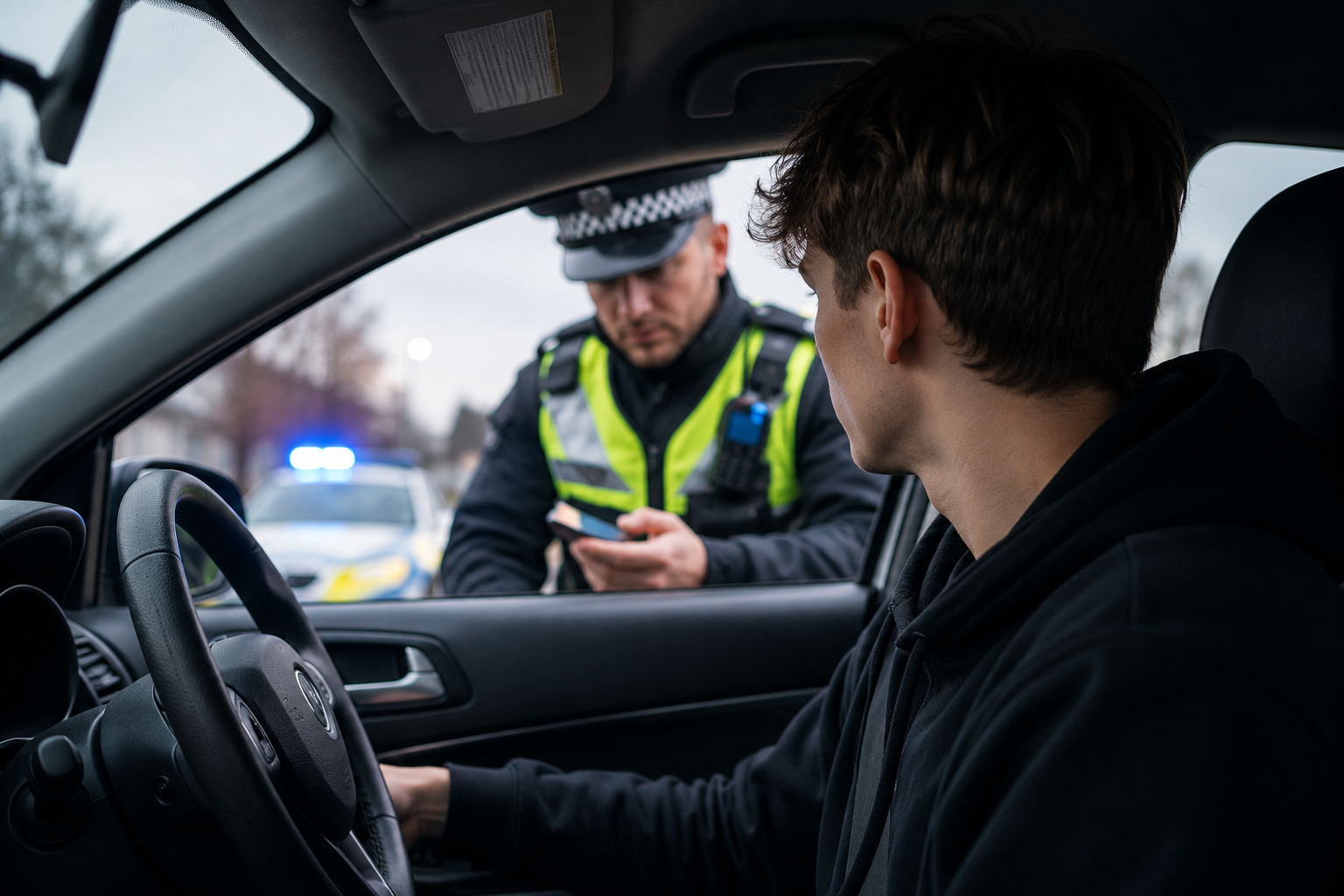
One of the biggest changes has been the widespread introduction of roadside drug screening equipment. Police officers now routinely carry roadside saliva testing kits and have greater powers to investigate motorists they suspect may have been driving after taking drugs. As enforcement has increased, naturally more offences have been detected. At the same time, misconceptions surrounding drug driving remain widespread. Many drivers wrongly believe they are safe to drive because they no longer feel under the influence, because they consumed drugs the night before, or because the medication they have taken was legally prescribed.
Unfortunately, the law is not always that straightforward. Unlike traditional drink driving offences, many drug driving prosecutions are based upon whether a driver exceeds the prescribed legal limit for certain controlled substances. This means someone may still be prosecuted even if they genuinely believed they were fit to drive.
The Law Surrounding Drug Driving
Drug driving offences are governed by Section 5A of the Road Traffic Act 1988, which makes it an offence to drive or attempt to drive with specified controlled drugs above prescribed legal limits. These limits apply to a range of substances, including illegal drugs such as cannabis and cocaine, but also certain prescription medications where specific thresholds have been set.
It is also important to understand that there are separate offences relating to driving whilst impaired through drugs. Even where a particular drug does not fall within the prescribed limit legislation, a driver who is unable to drive safely because of drugs or medication may still face prosecution.
Many motorists are surprised to discover that being prescribed medication does not automatically provide a defence. Although medical defences exist in certain circumstances, they are subject to strict legal requirements and should never be assumed to apply automatically.
Young Drivers Continue to Be Overrepresented
One of the most concerning findings from the latest statistics is the number of younger motorists being convicted. Drivers aged between 17 and 24 accounted for approximately 18% of all drug driving endorsements, despite representing only a relatively small proportion of licence holders across the UK.
This suggests younger drivers remain disproportionately affected by drug driving prosecutions, whether through recreational drug use, misunderstanding the law, or failing to appreciate how long certain substances remain detectable in the body. Education continues to play an important role, particularly as many drugs can remain above the legal limit long after any obvious effects have worn off.
The Penalties Can Be Severe
Many people underestimate just how serious a drug driving conviction can be. Anyone convicted of drug driving faces a minimum 12-month driving disqualification, while the court also has the power to impose an unlimited fine and a prison sentence of up to six months. The exact sentence will depend on the circumstances of the offence, the driver's previous record and any aggravating features.
The impact often extends far beyond the sentence imposed by the court. A drug driving conviction results in a criminal record, can significantly increase insurance premiums, and may affect employment opportunities, particularly where driving forms part of a person's job. For many people, losing their licence can have a substantial impact on family life, caring responsibilities and day-to-day independence.
Drug Driving Is Playing an Increasing Role in Fatal Collisions
The rise in convictions mirrors wider concerns surrounding road safety.
Separate government data has shown that the number of deceased drivers testing positive for drugs has risen significantly over the past decade, increasing far more rapidly than cases involving alcohol. While these figures do not necessarily prove that drugs were responsible for every collision, they demonstrate why police and policymakers are placing increasing focus on tackling drug driving.
Road safety organisations have described the situation as a growing national problem and are urging the Government to introduce stronger measures to deter offending and improve public awareness.
Further Changes May Be on the Way
The Government has already indicated that tackling drug driving will form a key part of its new Road Safety Strategy.
Among the proposals currently under consideration are new powers allowing police to suspend driving licences at the roadside for suspected drug drivers, faster forensic testing methods using saliva or sweat samples, and improvements to the way evidence is collected during investigations. There are also plans to review sentencing and rehabilitation programmes for both drink and drug driving offences.
If these proposals are introduced, they could lead to quicker investigations and more efficient enforcement, while giving police additional powers when dealing with suspected offenders.
An Allegation Does Not Automatically Mean a Conviction
Although the number of prosecutions is increasing, it is important to remember that every drug driving case depends on its own facts and evidence.
Investigations involve strict legal procedures, from the initial roadside stop and arrest through to the collection, storage and analysis of blood samples. Police officers, healthcare professionals and forensic laboratories must all follow the correct procedures, and any failures can have a significant impact on the strength of the prosecution's case.
In some cases, legal issues arise surrounding the roadside drug test, the taking of the evidential blood sample, continuity of evidence, laboratory analysis or the disclosure of prosecution material. These issues should always be carefully examined by a solicitor experienced in defending drug driving allegations.
For that reason, anyone accused of drug driving should seek specialist legal advice as early as possible rather than assuming that a charge will inevitably lead to a conviction.

Need Specialist Drug Driving Advice?
Being arrested or charged with drug driving can be an overwhelming experience, particularly if you have never been in trouble with the police before. However, being charged does not automatically mean you have no defence.
At M.A.J Law, our specialist motoring offence solicitors represent drivers across England and Wales in all types of drug driving cases. We carefully examine every aspect of the prosecution, from the roadside procedure through to the forensic evidence, to identify any legal or procedural issues that could affect the outcome of your case.
If you have been accused of drug driving, obtaining specialist legal advice at the earliest opportunity can make a significant difference to how your case progresses.