

From speeding and mobile phone offences to drug driving and failing to stop after a collision, here's what every UK motorist needs to know...
For many motorists, receiving three penalty points for speeding is seen as little more than an inconvenience. However, what often starts as a single endorsement can quickly escalate into something far more serious.
Whether it's a momentary lapse in concentration at a set of traffic lights, using a mobile phone while stationary in traffic, or unknowingly driving with illegal tyres, penalty points have a habit of accumulating faster than many drivers realise. Once a motorist reaches 12 points within a three-year period, the law generally requires the court to impose a minimum six-month driving disqualification under the totting-up rules.
For some people, losing their licence is inconvenient. For others, it can mean losing their livelihood altogether.
The DVLA records dozens of motoring endorsements, many of which carry penalty points that remain on a driver's record for years after the offence has been dealt with. Understanding how the system works could help motorists avoid making small mistakes that ultimately have life-changing consequences.
"A driving licence isn't usually lost because of one mistake. More often, it's a series of relatively minor offences that gradually add up until a driver reaches the totting-up threshold."
How Do Penalty Points Actually Work?
Every endorsable motoring offence is allocated a specific offence code together with a number of penalty points. Depending on the offence committed, drivers can receive anywhere between one and eleven penalty points, although the overwhelming majority of everyday offences carry between three and six.
When someone reaches 12 or more active points within any rolling three-year period, they will normally face an automatic driving ban unless the court accepts that exceptional hardship would result from the disqualification.
The rules are even stricter for newly qualified motorists.
Anyone who accumulates six or more penalty points within two years of passing their first driving test will have their driving licence revoked under the Road Traffic (New Drivers) Act 1995. This isn't a driving ban, but it does mean the driver returns to learner status and must pass both the theory and practical driving tests again before regaining a full licence.
Real Life Example: When Three Points Become Twelve
Imagine a delivery driver who receives:
- Three points for speeding.
- Another three points after being caught using a handheld mobile phone.
- Three more points for driving with defective tyres.
- Finally, another speeding offence carrying three points.
Individually, none of these offences may seem catastrophic. Together, however, they total 12 penalty points, placing the driver's licence at immediate risk of disqualification.
For professional drivers, sales representatives, carers and anyone who relies on driving for work, that can have devastating consequences extending far beyond the fine itself.
The Seven Main Categories of Endorsable Driving Offences
Rather than simply being one long list, penalty point offences are divided into several categories depending on the nature of the offence.
1. Careless and Dangerous Driving
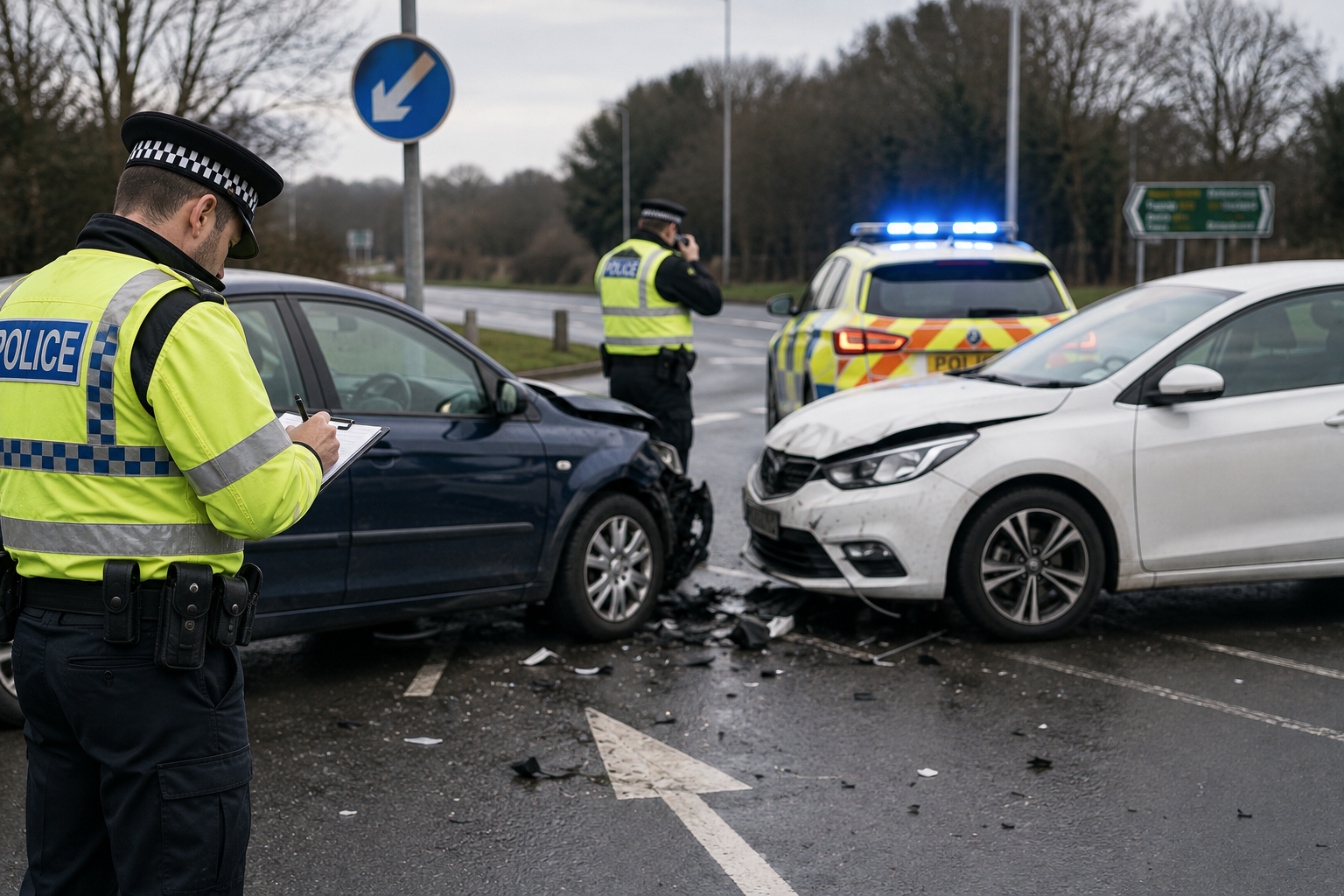
Driving standards vary enormously, but the law distinguishes between careless driving and dangerous driving.
Careless driving generally refers to situations where the standard of driving falls below that expected of a competent and careful driver. Common examples include:
- Driving too close to another vehicle.
- Pulling out without properly checking mirrors.
- Becoming distracted.
- Poor lane discipline.
Dangerous driving is significantly more serious and applies where the driving falls far below the expected standard and creates an obvious danger to other road users.
Penalty points can range from three to eleven, although the most serious cases frequently result in immediate disqualification rather than simply points.
Where careless or dangerous driving leads to a fatal collision, particularly where alcohol or drugs are involved, the consequences become substantially more severe and often include lengthy driving bans and imprisonment.
The difference between careless and dangerous driving isn't simply whether a collision occurred. It depends on the overall standard of driving and the level of risk created.
2. Drink Driving and Drug Driving Offences.
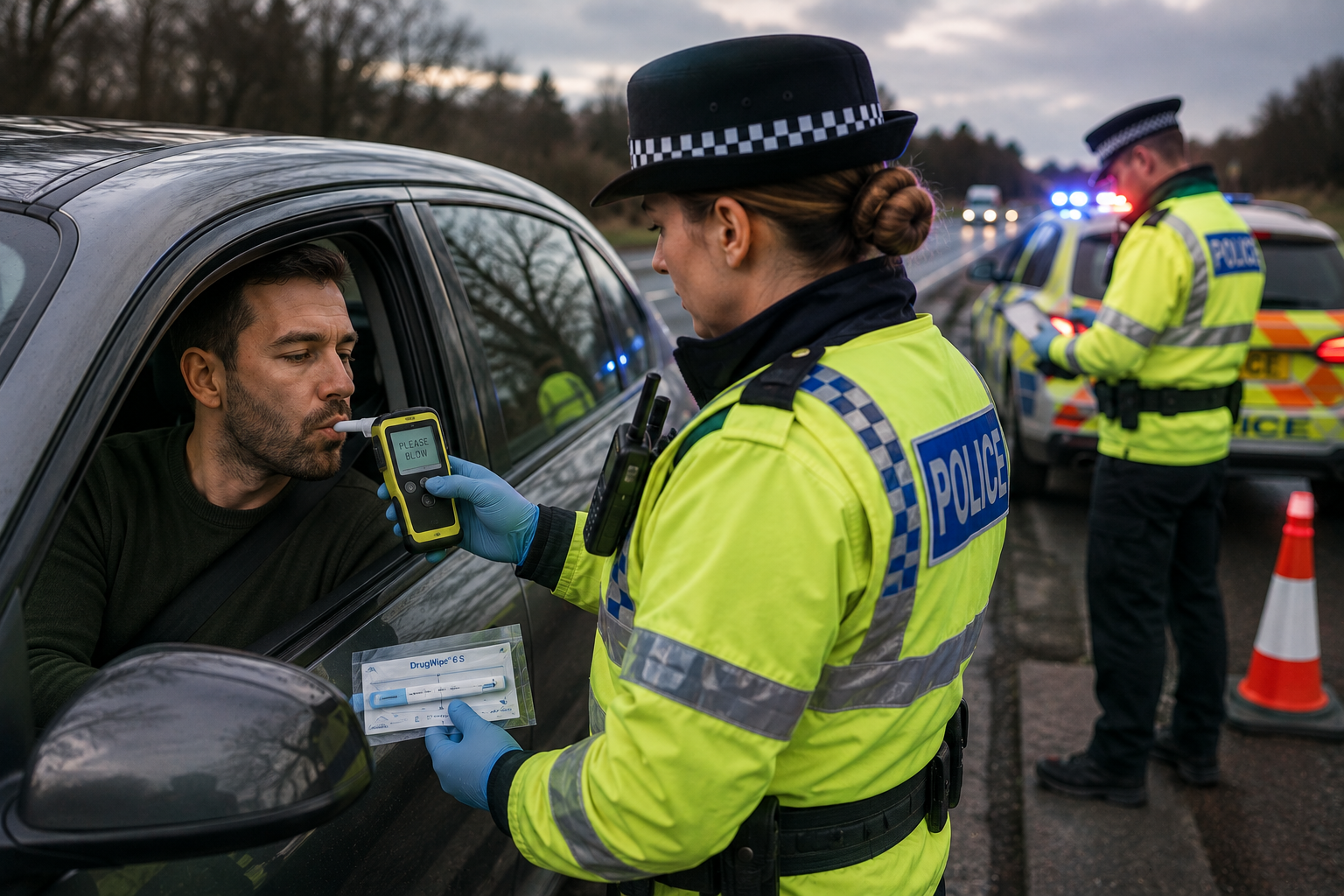
Few motoring offences carry longer-lasting consequences than drink and drug driving. Depending on the exact allegation, drivers may receive between three and eleven penalty points, although in practice many motorists convicted of these offences receive an immediate driving disqualification instead.
These offences include:
- Driving while over the legal alcohol limit.
- Driving while unfit through drink.
- Driving with specified controlled drugs above the legal limit.
- Being in charge of a vehicle while impaired.
- Refusing or failing to provide certain specimens in particular circumstances.
Unlike many other motoring offences, drink and drug driving endorsements can remain on a driving record for 11 years, reflecting the seriousness with which the courts treat these offences.
For many drivers, the biggest surprise is that someone can be prosecuted for being in charge of a vehicle without actually driving if they are intoxicated and there is evidence suggesting they could have driven.
3. Speeding Offences
Speeding remains one of the most common reasons drivers receive penalty points.
Whether detected by:
- Fixed speed cameras,
- Average speed cameras,
- Mobile camera vans,
- Police officers,
- Or motorway enforcement systems,
most speeding offences carry three to six penalty points, depending on the speed involved and the sentencing guidelines. Many motorists wrongly believe that because everyone around them is exceeding the speed limit, enforcement action is unlikely. Unfortunately, enforcement cameras only need evidence of your speed.
Modern average speed camera systems are capable of calculating speeds over many miles with remarkable accuracy.
4. Vehicle Defects and Mobile Phone Offences
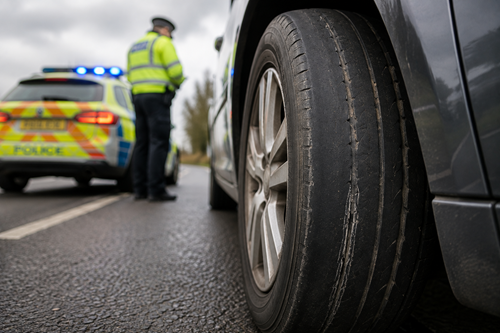
Not every endorsement relates directly to how someone drives. Many concern the condition of the vehicle itself. These include offences involving:
- Defective brakes.
- Faulty steering.
- Illegal tyres.
- Construction and use regulations.
One of the most common is driving with defective tyres. What many motorists fail to appreciate is that three penalty points can be imposed for each illegal tyre. A vehicle with four defective tyres could therefore result in 12 penalty points from a single journey, placing the driver immediately into totting-up territory.
Similarly, mobile phone offences have become increasingly common following tougher enforcement and changing legislation. Drivers can now commit offences in a wide range of circumstances involving handheld devices, even when stationary in traffic.
Did You Know?
Four illegal tyres can potentially result in 12 penalty points from one roadside stop.
5. Traffic Signals and Road Signs
Most drivers have experienced the temptation of trying to "beat the lights". However, failing to comply with traffic signals remains one of the most common fixed penalty offences.
These include:
- Driving through red traffic lights.
- Ignoring Stop signs.
- Crossing solid white lines unlawfully.
- Failing to obey school crossing patrols.
Although these offences often carry three penalty points, they frequently arise following collisions where another road user has legitimately entered the junction.
6. Insurance and Driving Licence Offences
Many motorists are surprised to discover that administrative issues can carry substantial penalties.
Driving without valid insurance is among the most serious routine motoring offences and normally attracts six to eight penalty points, although courts also have the power to impose disqualification.
Other offences include:
- Driving otherwise than in accordance with a licence.
- Failing to notify the DVLA of certain medical conditions affecting driving.
Medical declarations are particularly important. If a driver develops a notifiable medical condition but continues driving without informing the DVLA where required, they may be committing a criminal offence in addition to potentially invalidating their insurance.
7. Failing to Stop, Report a Collision or Identify the Driver
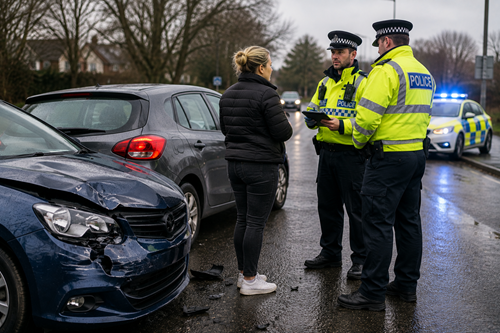
Some of the highest point endorsements arise after collisions. Drivers involved in certain road traffic accidents are legally required to:
- Stop.
- Exchange details where appropriate.
- Report the collision to police if necessary.
Failing to stop or failing to report an accident can result in five to ten penalty points, with more serious cases leading to disqualification.
Another offence that frequently catches motorists out is failing to identify the driver when requested by the police following offences such as speeding camera detections. This offence (MS90) carries six penalty points, often exceeding the number that would have been imposed for the original speeding allegation.
How Long Do Penalty Points Stay on Your Licence?
One of the biggest misconceptions is that points disappear once the fine has been paid. They do not. Instead, endorsements remain on a driver's DVLA record for different lengths of time depending on the offence committed.
Most common motoring offences, including speeding, mobile phone use, traffic light offences and careless driving, remain recorded for four years, although they usually only count towards totting-up for the first three years.
More serious offences, including certain drink driving, drug driving and causing death by careless driving while under the influence, remain on the record for 11 years.
This distinction is particularly important for motorists who are already carrying existing endorsements, as the timing of each offence can significantly affect whether they reach the totting-up threshold.
Why Legal Advice Can Make a Significant Difference
Receiving penalty points is not always as straightforward as accepting a fixed penalty notice. Some allegations may involve factual disputes, procedural issues or legal defences. Others may place a driver's licence at risk because of existing endorsements already on their record.
Where a motorist is facing disqualification under the totting-up provisions, the court may be able to consider whether imposing the mandatory ban would cause exceptional hardship. These applications require careful preparation and supporting evidence, and every case will depend on its own individual circumstances.
Early legal advice can often help motorists understand their options before important decisions are made, particularly where accepting penalty points could have serious long-term consequences for their ability to drive.
Final Thoughts
Penalty points are designed to encourage safer driving, but they can also have far-reaching consequences that extend well beyond a financial penalty. Losing the ability to drive can affect employment, family responsibilities and everyday life, particularly for those who rely on their vehicle.
Understanding which offences carry penalty points, how long endorsements remain on a licence and when legal advice may be appropriate can help motorists make informed decisions if they ever find themselves facing prosecution.
Whether it is a speeding allegation, a mobile phone offence, drink or drug driving, or a potential totting-up disqualification, knowing your legal position at the earliest opportunity is often one of the most important steps a driver can take.